

In today’s fast-paced world, maintaining overall health is more important than ever. This article offers an in-depth look at strategies for promoting well-being across multiple areas of life. By focusing on aspects such as mental strength, sensory health, and physical wellness, individuals can work toward a more balanced and fulfilling lifestyle.
Cultivating Resilience in High-Stress Environments

Navigating through high-stress environments is increasingly common in today’s society, making the cultivation of resilience crucial. Anxiety treatment, often guided by professionals, plays a vital role in equipping individuals with the necessary tools to handle stress effectively. Through cognitive-behavioral therapy and mindfulness practices, individuals learn to manage their anxiety levels, thereby enhancing their overall mental resilience.
When dealing with high levels of stress, consulting a psychiatrist can provide personalized strategies that address individual needs. Psychiatrists can offer medication management for anxiety disorders, ensuring a tailored approach that focuses on symptom relief. By combining medication with therapy, patients can achieve a harmonious balance that significantly reduces the impact of stress on daily life.
Moreover, building resilience involves one’s well-being, including lifestyle adjustments and the use of support networks. Engaging in regular physical activities and establishing a strong social support system are instrumental in stress reduction. Furthermore, services like rehabilitation therapy can be leveraged to aid physical health recovery, fortifying the body’s capability to withstand stressors.
Accessing Clinical Support for Brain Health
The pivotal role of brain health in overall well-being cannot be overstated. Collaborating with a psychiatrist offers access to multifaceted mental health support, ensuring that conditions affecting the brain are managed professionally. From medication to cognitive therapies, these professionals provide comprehensive treatment plans tailored to individual neurological needs.
A key aspect of accessing brain health support is the opportunity for ongoing assessment and adjustment of treatment strategies. Regular consultations with a psychiatrist enable dynamic adaptation to changes in mental health status, promoting sustained cognitive function and emotional balance. Additionally, the integration of lifestyle changes, such as regular exercise and dietary adjustments, complements professional interventions in maintaining optimal brain health.
Clinics specializing in brain health not only focus on psychiatry but also include educational resources that empower patients. Patients are encouraged to participate in self-care practices that enhance brain function, such as engaging in mentally stimulating activities. This holistic approach ensures comprehensive support that nurtures both the mind and the body, leading to improved quality of life.
Maintaining the Vital Link Between Mouth and Body
Oral health significantly impacts overall health, underscoring the importance of regular dental care. Visiting a dentist regularly ensures that any dental issues are promptly addressed, preventing them from escalating into more severe health problems. Dentists not only focus on treating existing issues but also on preventive care, providing guidance on maintaining oral hygiene for longer-lasting health benefits.
The interconnection between oral health and systemic health means that conditions like gum disease can impact one’s cardiovascular system if left untreated. Dentists play a crucial role in identifying such issues early, often suggesting lifestyle changes or treatments to mitigate the risks. Routine check-ups and cleanings become essential practices in preventing systemic health problems through diligent dental care.
Moreover, oral health services extend to cosmetic practices that enhance one’s appearance and confidence, further enhancing social interactions and personal self-esteem. Dental professionals offer procedures such as teeth whitening and alignment corrections, which can substantially boost an individual’s self-image. This holistic approach to oral health ensures that both functional and aesthetic needs are met, fostering a comprehensive sense of well-being.
Optimizing Spinal Health and Nervous System Flow

Spinal health is integral to maintaining overall well-being, with chiropractors playing a key role in this domain. Chiropractors specialize in adjusting the spine to alleviate pain and enhance nervous system function, thereby promoting a holistic approach to health. Regular chiropractic care helps prevent future injuries and supports optimal physical function.
Beyond pain relief, chiropractic adjustments can contribute to improved athletic performance and enhanced physical activity. By freeing restrictions in the spinal column, chiropractors enable better body mechanics, reducing the likelihood of injury. This preventive care approach not only addresses existing conditions but also enhances overall physical resilience.
Chiropractic care is also known for its non-invasive nature, providing a preferable alternative to more aggressive treatments. Many patients report benefits such as improved posture, reduced headaches, and decreased stress levels as a result of regular visits. Thus, chiropractic services are an essential component of a comprehensive health strategy, emphasizing the importance of spinal health in relation to overall wellness.
Investing in Auditory Clarity and Social Connection
Hearing is a fundamental aspect of everyday communication and social interaction; thus, maintaining auditory health is paramount. A visit to a hearing aid center can provide essential solutions for those experiencing hearing loss, offering tailored hearing aid fittings and adjustments. These interventions not only restore hearing clarity but also improve quality of life by strengthening social connections.
Untreated hearing loss can lead to social isolation and cognitive decline, underscoring the value of addressing auditory issues promptly. Hearing aid centers specialize in diagnosing and treating a variety of auditory concerns, supporting cognitive function by facilitating clearer communication. This early intervention is critical for sustaining mental sharpness and fostering lasting social bonds.
By incorporating aids and auditory enhancement services into their care routines, individuals can significantly improve their engagement in social and work environments. These centers also offer ongoing support and counseling, ensuring that users maximize the benefits of their hearing aids. The comprehensive support provided by hearing aid centers transforms auditory challenges into enhanced opportunities for connection and participation.
Solving the Logistics of Reliable Medical Access
The accessibility of medical services is a crucial factor in healthcare management, with medical transportation services serving a vital role. These services ensure that individuals can attend appointments and receive timely medical attention, regardless of mobility limitations. Reliable transportation facilitates continuity of care, essential for managing chronic conditions effectively.
Medical transportation services are particularly important for vulnerable populations, such as the elderly or those with disabilities. By removing transportation barriers, these services help patients maintain regular interaction with healthcare providers, promoting adherence to treatment plans. Furthermore, these services enhance psychological well-being by reducing stress related to logistical challenges.
In addition to providing transportation to medical appointments, these services may also offer assistance with coordinating non-emergency visits to rehabilitation therapy destinations. Such comprehensive logistical support is pivotal in ensuring that healthcare remains accessible and effective. As medical transportation services continue to develop, they enhance the overall efficiency of healthcare delivery systems, prioritizing patient access and convenience.
Protecting Your Body’s First Line of Defense

The skin serves as the body’s primary barrier against environmental factors, underscoring the importance of skin care services. Routine visits to dermatologists ensure proactive management of skin health, preventing and treating conditions such as acne, eczema, and sun damage. By providing tailored skin care regimens, professionals help maintain the skin’s integrity and function.
Skin care services extend beyond treating conditions, often focusing on aesthetic enhancements that boost confidence and social engagement. Dermatologists can provide treatments like chemical peels and laser therapies, promoting a rejuvenated and youthful appearance. This dual focus on health and beauty supports a holistic approach to skin care, with wide-ranging benefits across physical and psychological domains.
Understanding the connection between skin health and overall well-being is integral to fostering complete wellness. Many skin care professionals emphasize the importance of nutrition and hydration, aligning with broader health principles. Ultimately, investing in skin care services protects the body’s first line of defense, ensuring long-term health resilience and enhanced self-esteem.
Mastering Metabolic Health and Blood Sugar Control
Metabolic health is foundational to overall wellness, with diabetes management services playing a pivotal role in maintaining proper blood sugar levels. These services offer comprehensive strategies, including dietary planning and medication management, to control and prevent diabetic complications. By working closely with patients, professionals foster an environment of education and empowerment.
Diabetes management services typically include personalized monitoring and regular check-ups, allowing for early detection of potential issues. This proactive approach is vital in minimizing the risks associated with uncontrolled diabetes, such as cardiovascular diseases and neuropathy. Through consistent support and guidance, patients are better equipped to handle the demands of diabetes on a daily basis.
Moreover, lifestyle modifications supported by diabetes management services extend beyond blood sugar control, contributing to weight management and improved energy levels. Encouraging physical activity and balanced nutrition not only aids in diabetes management but also enhances general health. By promoting metabolic health, these services lay the groundwork for lasting well-being and vitality.
Restoring Strength After Injury or Illness
Rehabilitation therapy is crucial for restoring strength and mobility following injury or illness. These therapies are designed to facilitate recovery and promote functional independence, with individualized plans that cater to specific patient needs. By focusing on targeted exercises and techniques, rehabilitation therapists help accelerate the healing process.
Rehabilitation services are often multidisciplinary, involving the collaboration of physiotherapists, doctors, and other healthcare professionals. This team-based approach ensures comprehensive care, addressing physical, emotional, and sometimes social aspects of recovery. Through dedicated rehabilitation therapy, patients can achieve improved outcomes and regain their quality of life.
The continuity of care provided by rehabilitation services enables patients to transition smoothly from acute care to home or community settings. This ensures continuous support as individuals adapt to health changes, preventing relapses and promoting sustained recovery. Ultimately, rehabilitation therapy serves as a bridge to renewed strength and capability, fostering resilience and independence.
Advanced Strategies for Long-Term Physical Comfort
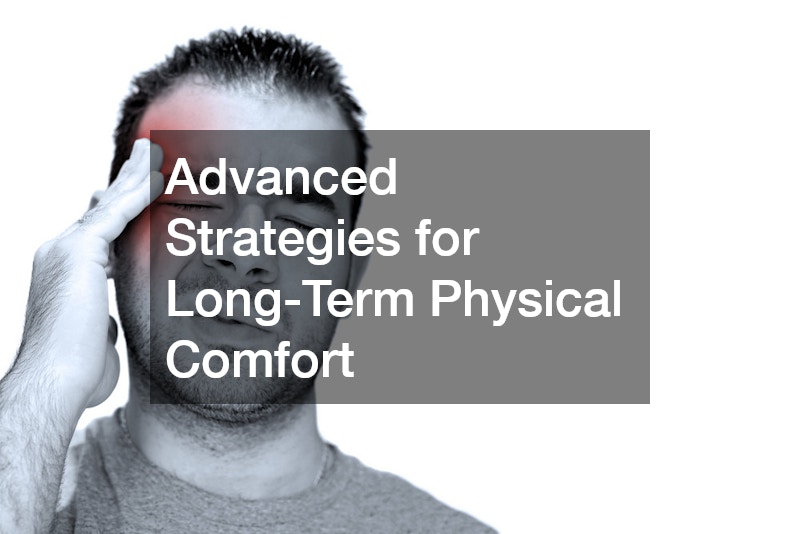
Managing chronic pain is essential to achieving long-term physical comfort, with pain management treatments providing vital support and relief. These treatments encompass various approaches, including medication, physical therapy, and alternative methods like acupuncture. By addressing both the physical and psychological aspects of pain, professionals aim to enhance overall life quality.
A key focus of pain management is the development of personalized treatment plans that consider an individual’s unique pain profile. Through regular evaluations and adjustments, professionals ensure that pain management treatments remain effective and adaptive. This patient-centric approach empowers individuals to actively participate in their pain management journey.
Advanced pain management treatments often integrate lifestyle changes, encouraging physical activity and stress reduction techniques. Such comprehensive strategies not only alleviate pain but also enhance mental well-being, contributing to a holistic approach to health. Prioritizing long-term physical comfort allows individuals to engage more fully in personal and professional activities, enhancing overall life satisfaction.
Health management is a multi-faceted endeavor requiring a proactive and informed approach. From addressing anxiety with psychiatric support to refining physical resilience through rehabilitation therapy, the strategies laid out in this article highlight the interconnectedness of various health domains. At the heart of these endeavors is the commitment to enrich quality of life through comprehensive, personalized care.
Each section underscores the significance of professional guidance and the role of specific health services in supporting individual well-being. Services like skin care and pain management illustrate the importance of addressing both visible and invisible health challenges, ensuring a balanced approach to wellness. By integrating these professional insights with personal health commitments, individuals can pursue a path of informed and empowered living.
Ultimately, the journey to robust health is continuous, reflecting both personal efforts and the support of skilled professionals. These insights serve as a cornerstone for creating a resilient, health-focused lifestyle that adapts to contemporary challenges. Through informed decisions and strategic interventions, individuals can navigate the complexities of modern health with confidence and clarity, fostering a life of vitality and fulfillment.